Yagi vs Omnidirectional TV Antennas | John's Antennas
Yagi or omnidirectional TV antenna? Learn which works best for your Central Florida home from John's Antennas, serving the area since 1983.
Yagi vs. Omnidirectional TV Antennas: Which Is Best for Your Florida Home?
Choosing the right TV antenna can make the difference between reliable reception and channels that constantly freeze or disappear.
Two popular designs are directional antennas, including Yagi antennas, and omnidirectional antennas. Both have advantages, but the best choice depends on your location, the strength of available signals, and the direction of nearby broadcast towers.
Directional vs. Omnidirectional Antennas
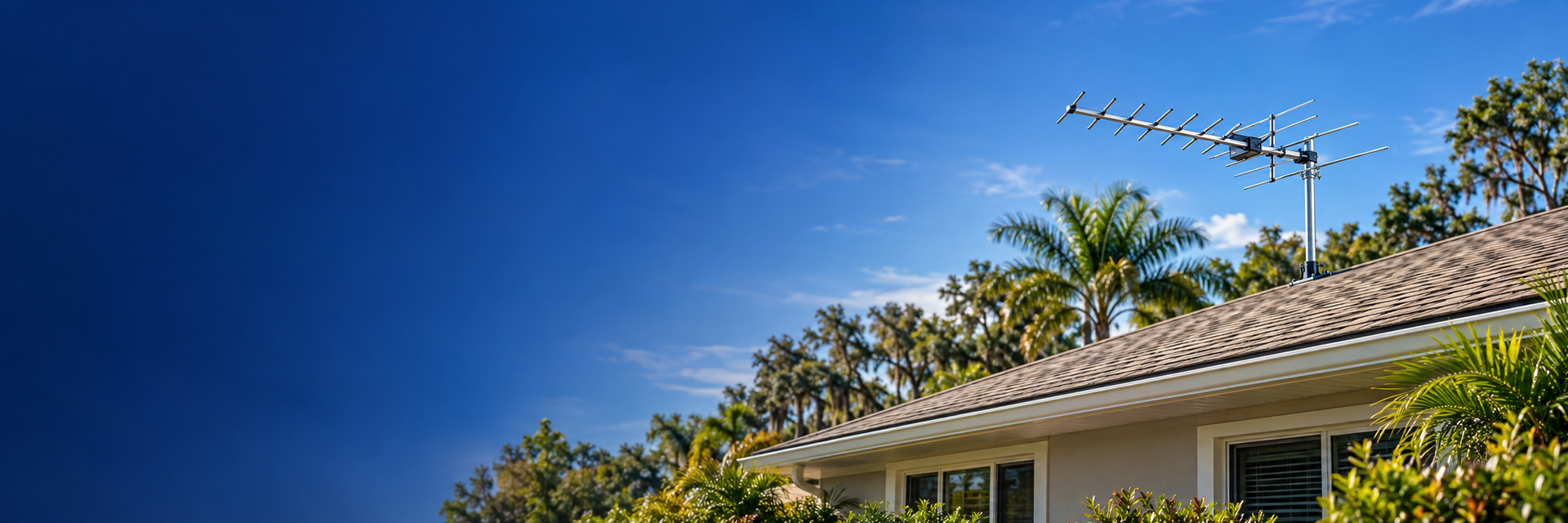
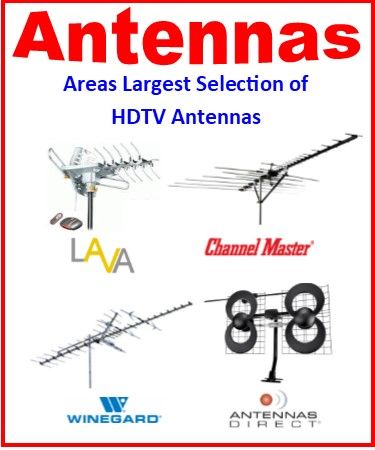
Yagi and other directional antennas concentrate their reception in a particular direction. They often provide better reception of weak or distant stations, especially when the broadcast towers are located in the same general area.
Omnidirectional antennas receive signals from multiple directions without requiring precise aiming. They can be useful where television signals are relatively strong, but they may struggle with weak or distant stations.
FeatureDirectional / YagiOmnidirectionalReception patternFocused in one directionReceives from all aroundWeak or distant signalsOften betterUsually less effectiveAiming requiredYesGenerally noMultiple tower directionsMay require another solutionUseful when signals are strongInterference rejectionCan reduce unwanted signalsMore exposed to signals from other directions
Why Antenna Direction Matters in Central Florida
Central Florida presents some interesting challenges for over-the-air television reception.
Depending on where you live, your preferred television stations may broadcast from different markets, including Orlando, Gainesville, or other surrounding areas.
For example, an antenna aimed toward Orlando may provide excellent reception of certain stations while missing desirable channels transmitting from another direction.
An omnidirectional antenna might seem like the answer, but receiving signals from every direction doesn't necessarily mean receiving more usable channels.
In some situations, a directional antenna with an antenna rotator, a properly designed multi-antenna system, or a broader-reception antenna may be the better solution.
The correct choice depends on the signals available at your particular address.
Other Factors That Affect TV Reception
Antenna design is only part of the equation.
Trees, buildings, mounting height, cable condition, and distance from broadcast towers can all affect your reception.
Another important consideration is whether your desired channels use VHF or UHF frequencies. Not every antenna performs equally well on both.
An amplifier isn't always the solution, either. Amplifiers can help overcome certain signal losses, but they cannot replace a properly selected and positioned antenna.
Which Antenna Would We Recommend?
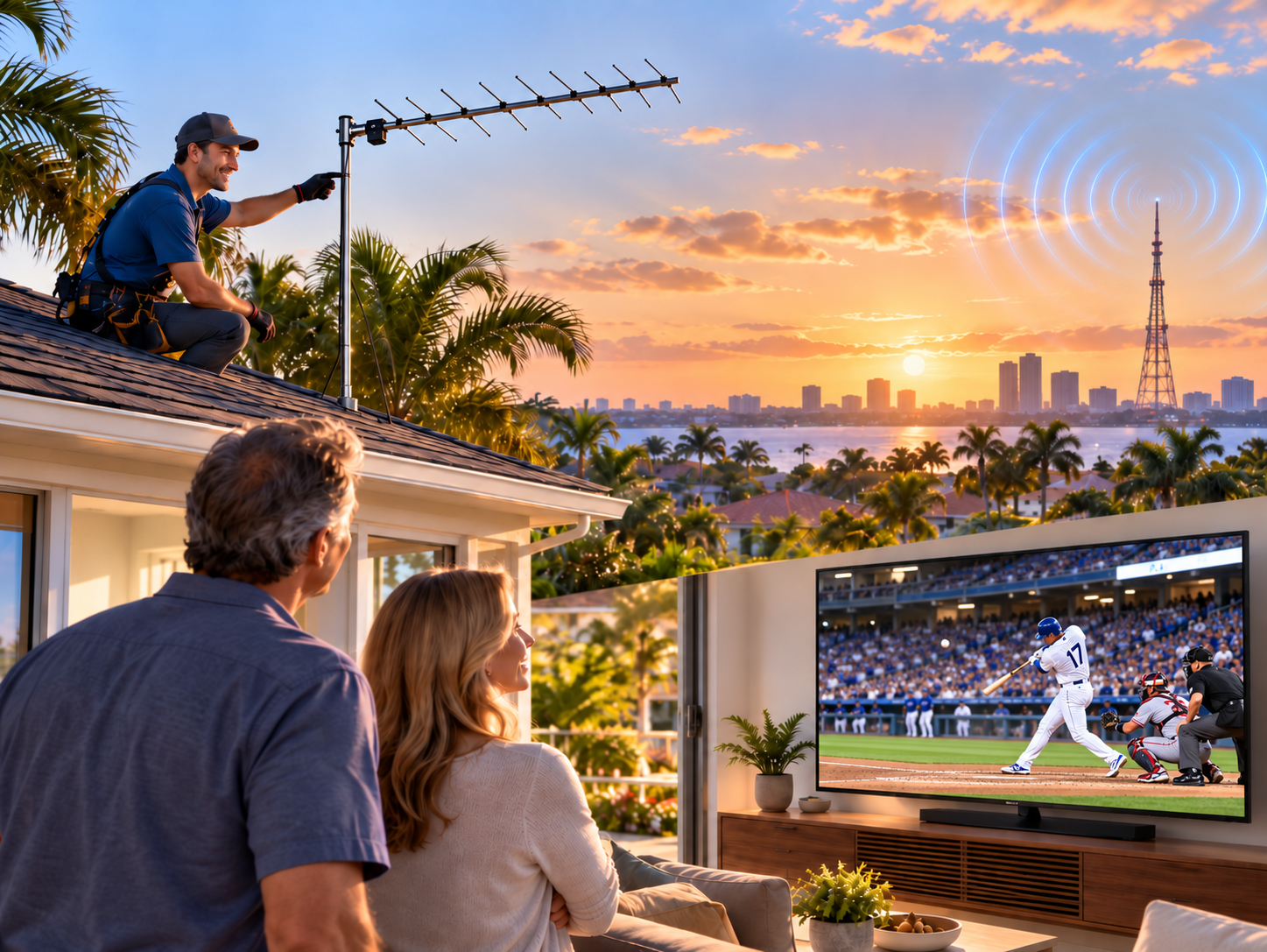
At John's Antennas, we've been helping Central Florida residents receive over-the-air television since 1983.
We don't believe there's one antenna that's right for every home.
Before recommending a system, we consider the property's location, desired channels, broadcast tower directions, surrounding obstructions, and expected signal strength.
Our goal is simple: help you receive as many reliable television channels as your location reasonably allows.
Frequently Asked Questions
Is a Yagi antenna better than an omnidirectional antenna?
For weak or distant television signals, a properly aimed directional antenna will often perform better. An omnidirectional antenna may be more convenient where strong signals arrive from several directions.
Can one antenna receive stations from different cities?
Yes. Depending on the antenna design, direction, and signal strength, one antenna may receive stations from multiple cities. Where transmitters are widely separated, an antenna rotator or another reception solution may be needed.
Do I need an amplifier for better reception?
Not necessarily. Amplifiers can compensate for some signal losses but cannot correct every reception problem. Antenna selection, mounting location, and aiming should come first.
Need Help Choosing the Right TV Antenna?
John's Antennas provides TV antenna installation, repair, and reception evaluations throughout Central Florida, including Ocala, The Villages, Gainesville, Leesburg, and surrounding communities.
Call John's Antennas at 352-622-9004 to discuss your location and available television channels.
Getting you a better signal since 1983.