Attic Antenna Installation: Pros and Cons and What to Know
Is Attic Antenna Installation Worth It? Learn when an attic TV antenna can work well, what materials may block reception, and when an outdoor antenna is the better choice.?

An attic antenna installation can be a good option for homeowners who want free local television without placing an antenna outside. The antenna remains hidden, protected from Florida weather, and relatively easy to reach when adjustments or repairs are needed.
However, installing an antenna in an attic involves an important tradeoff: the roof and everything inside the attic stand between the antenna and the broadcast towers. Roofing materials, foil-backed insulation, metal ductwork, radiant barriers, electrical wiring, and other obstructions can weaken or reflect television signals.
An attic antenna may work well at one home and perform poorly at another—even when the homes are in the same neighborhood. Before choosing an attic installation, consider the home’s location, roof construction, surrounding trees, direction of the broadcast towers, and the channels you want to receive.
Advantages of Installing a TV Antenna in the Attic
Protection From Florida Weather
An attic protects the antenna from rain, wind, direct sunlight, and storm debris. Outdoor antennas are designed to withstand the weather, but years of exposure can eventually affect mounting hardware, connections, transformers, and coaxial cable.
Keeping the antenna inside may extend the life of some components and reduce weather-related maintenance.
No Antenna Visible From Outside
Some homeowners prefer not to see an antenna on their roof or alongside their house. An attic installation keeps the antenna completely out of sight and usually eliminates appearance concerns from neighbors or homeowners associations.
However, appearance should not be the only factor in choosing an installation location. Reliable reception must still be the priority.
No Roof Penetration or Exterior Mounting
An attic installation may avoid drilling into the roof or attaching mounting hardware to the outside of the home. This can be especially appealing when the homeowner has a newer roof or wants to reduce exterior work.
Attic installations also avoid exposing the installer to certain roof-related hazards, although working inside a hot, confined attic presents its own safety concerns.
Easier Access for Some Repairs
When an attic has safe flooring and adequate working room, the antenna may be easier to reach for aiming, cable replacement, or troubleshooting.
Not every attic is easily accessible. Low rooflines, exposed insulation, extreme heat, electrical wiring, and the absence of a safe walking surface can make attic work difficult or dangerous.
Disadvantages of an Attic Antenna Installation
The Roof Weakens Television Signals
Any material placed between an antenna and the broadcast towers can reduce signal strength. Standard wood decking and asphalt shingles may cause moderate signal loss, while certain other materials can create much greater problems.
Common attic reception obstacles include:
- Metal roofing
- Foil-backed insulation
- Metallic radiant barriers
- Metal ductwork
- Aluminum siding
- Solar panels
- Concrete or masonry construction
- Plumbing and electrical equipment
- Nearby trees and buildings
A metal roof or metallic radiant barrier may make dependable attic reception difficult or impossible. These materials can reflect or block television signals before they reach the antenna.
Lower Height Can Reduce Reception
Height is often important to TV antenna performance. An attic antenna is normally lower than an antenna mounted above the roof, placing more of the home, nearby trees, and surrounding structures in the signal path.
An outdoor antenna installed at an appropriate height usually has a clearer path toward the broadcast towers and therefore has a better opportunity to receive stable signals.
The Best Direction May Not Be Available
A directional antenna normally needs to point toward the desired broadcast towers. Inside an attic, rafters, air-conditioning equipment, ductwork, water heaters, storage, or limited space may prevent the antenna from being placed or aimed properly.
The antenna also needs enough room for its elements. Squeezing a large antenna between rafters or placing it against metal equipment can reduce its performance.
Attic Heat Can Affect Equipment
Central Florida attics can become extremely hot. A passive antenna generally tolerates heat better than electronic equipment, but powered amplifiers, power supplies, splitters, and other components may experience a shorter service life in excessive temperatures.
Whenever possible, amplifier power supplies and other active equipment should be installed in a cooler, accessible location.
How Far Can an Attic Antenna Receive?
There is no reliable mileage rule that applies to every home.
Distance from the broadcast towers matters, but it is only one part of the reception picture. Antenna performance also depends on:
- The power and frequency of each television station
- Whether the station broadcasts on VHF or UHF
- The height and design of the antenna
- Terrain between the home and the tower
- Trees and nearby structures
- Roof and insulation materials
- Coaxial cable length
- The number of televisions and signal splitters
- Electrical and radio-frequency interference
An attic antenna might provide reliable reception at a home many miles from the towers when the signal path is favorable. Another home much closer to the towers may experience problems because of dense trees, a metal roof, a radiant barrier, or buildings blocking the signal.
A professional signal evaluation is much more useful than choosing an antenna based only on a mileage claim printed on the box.
Where Should an Attic Antenna Be Installed?
The best position is usually the highest practical location with the clearest path toward the desired broadcast towers. The antenna should be kept away from metal ductwork, electrical equipment, foil-backed insulation, and other large metallic objects.
Placement can make a surprising difference. Moving an antenna several feet—or sometimes only a few inches—may improve one channel while weakening another. Digital television reception often changes abruptly rather than gradually.
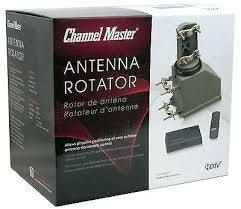
A directional antenna should be aimed carefully. If stations transmit from different directions, the homeowner may need a broader-reception antenna, an antenna rotator, multiple antennas, or another customized solution.
Use Quality Coaxial Cable and Limit Splitters
Even a properly placed antenna can perform poorly if signal is lost between the antenna and the television.
Use quality RG6 coaxial cable and keep the cable run as direct as practical. Damaged cable, loose connectors, poorly installed fittings, and unnecessary splitters can reduce reception.
Every time a signal is divided between multiple televisions, each television receives less of it. An appropriate distribution amplifier may help when the antenna feeds several televisions, but the system should be tested before amplification is added.
Does an Attic Antenna Need an Amplifier?
Not necessarily.
An amplifier does not create television signal, and it cannot restore information that the antenna failed to receive. Its purpose is to compensate for signal lost through long cable runs, splitters, and distribution to multiple televisions.
Installing an amplifier when it is not needed can overload the television tuner or amplify unwanted interference. This may make reception worse rather than better.
A preamplifier is most useful when the antenna receives a clean but relatively weak signal that must travel through a long coaxial cable or multiple splitters. The correct amplifier depends on the strength of the local signals, cable length, number of televisions, and frequencies being received.
Testing should come before amplification.
How to Troubleshoot Weak Attic Antenna Reception
If an attic antenna is losing channels, freezing, or producing a pixelated picture, begin with the basic parts of the system.
1. Rescan the Television
Television stations occasionally change frequencies or add subchannels. Run a new channel scan using the television’s antenna or over-the-air setting.
Do not select “Cable” during the scan.
2. Inspect the Connections
Make sure every coaxial connection is tight at the antenna, splitters, amplifiers, wall plates, and televisions. Look for damaged cable, loose fittings, sharp bends, or improperly installed connectors.
3. Check Reception on One Television
Temporarily connect one television directly to the antenna, bypassing unnecessary splitters and accessories. If reception improves, the problem may be signal loss within the distribution system rather than the antenna itself.
4. Reposition and Reaim the Antenna
Move the antenna higher or farther away from metal objects. Carefully rotate a directional antenna while monitoring the channels that are giving you trouble.
Most television signal meters are not standardized, so a particular percentage does not mean the same thing on every television. Look for stable reception and improved signal quality instead of relying on one universal percentage.
5. Evaluate the Roofing Materials
Determine whether the home has a metal roof, foil-backed insulation, a metallic radiant barrier, or solar panels in the antenna’s signal path. If so, repositioning or amplification may not overcome the amount of signal being blocked.
6. Consider an Outdoor Antenna
If the attic cannot provide reliable reception, moving the antenna outdoors may be the practical solution. An outdoor antenna mounted at the correct height can provide a clearer signal path and receive substantially more usable signal.
Attic Antenna vs. Outdoor Antenna
An attic antenna is often a reasonable choice when signals are strong, roofing materials are signal-friendly, and the desired stations transmit from a favorable direction.
An outdoor antenna is generally the better choice when:
- The home is farther from the broadcast towers
- Trees or buildings obstruct the signal path
- The roof contains metal or a radiant barrier
- Important stations broadcast on weaker VHF frequencies
- The antenna must serve several televisions
- Reception changes with weather or movement of nearby trees
- The attic does not allow proper antenna placement or aiming
Outdoor placement does not guarantee perfect reception, but it gives the antenna a better opportunity to receive signals before they are weakened by the home.
Is an Attic Antenna Worth It?
An attic antenna can be worth installing when the home has adequate signal strength and compatible roofing materials. It offers protection from weather, remains hidden, and may provide dependable reception without exterior mounting.
The only reliable way to know is to evaluate the home and test reception. Online prediction tools and mileage ratings can be helpful starting points, but they cannot account for every tree, building, roofing material, or source of interference at a particular property.
John’s Antennas has served Central Florida since 1983. We evaluate the home, desired channels, tower directions, roofing materials, cable system, and surrounding obstructions before recommending attic or outdoor placement.
Our goal is not simply to install an antenna—it is to install the right antenna in the location where it has the best opportunity to provide dependable reception.
Learn more about our TV Antenna Installation and TV Antenna Repair & Service, or contact John’s Antennas for a professional reception assessment.
Frequently Asked Questions About Attic Antennas
Is an attic antenna better than an outdoor antenna?
An attic antenna is protected from weather and hidden from view, but an outdoor antenna usually receives stronger signals because the roof and attic materials are not blocking reception. The best choice depends on the home's location, roof construction, desired stations, and surrounding obstructions.
Will an attic antenna work under a metal roof?
Usually not very well. Metal roofing reflects and blocks television signals. Reception may occasionally be possible through a nonmetallic gable end, but an outdoor antenna is generally the more dependable solution for a home with a metal roof.
Does attic insulation interfere with a TV antenna?
Ordinary fiberglass insulation generally causes less signal loss than foil-backed insulation or a metallic radiant barrier. Foil and other metallic materials can severely weaken or reflect television signals.
How far can an attic antenna receive TV stations?
There is no dependable mileage rule for attic antennas. Reception depends on tower locations, terrain, trees, buildings, antenna height, roof construction, broadcast frequencies, and the antenna's design. A signal evaluation is more useful than relying only on a mileage rating printed on an antenna box.
Where should an antenna be placed in the attic?
The antenna should usually be placed at the highest practical location with the clearest path toward the desired broadcast towers. Keep it away from metal ductwork, electrical equipment, foil-backed insulation, and other large metallic objects. The antenna must also have enough room to be aimed properly.
Should I install an amplifier on my attic antenna?
Only when testing shows that one is needed. An amplifier can compensate for signal loss caused by long coaxial cable runs and splitters, but it cannot recover a signal the antenna did not receive. An unnecessary or overly powerful amplifier can overload the television tuner and make reception worse.
Why does my attic antenna receive some channels but not others?
Television stations may transmit from different locations, at different power levels, and on different VHF or UHF frequencies. The antenna may be aimed correctly for one group of towers but not another, or the antenna may not be designed to receive all the frequencies used in your area.
Can one attic antenna serve several televisions?
Yes, if the antenna receives enough usable signal. Every splitter reduces the signal delivered to each television. A properly selected distribution amplifier may be needed, but the antenna system should be tested before amplification is added.
Can an attic antenna be moved outdoors later?
In many cases, yes, provided the antenna is designed for outdoor use. Exterior installation requires suitable mounting hardware, weatherproof connections, outdoor-rated coaxial cable, and proper grounding and bonding.